
RV and Camper Loans: What They Really Cost
Around 80 percent of the world’s recreational vehicles are built in Elkhart County, and Indiana produces close to 84 percent of every RV made in the United States. If you live in Michiana, you probably know someone who builds them.
That proximity is an advantage when you buy. It does not change how the financing works.
RV and camper loans behave differently from car loans in ways that catch people out. This guide covers what changes, what it costs beyond the payment, and how to avoid the trap that puts owners underwater for years.
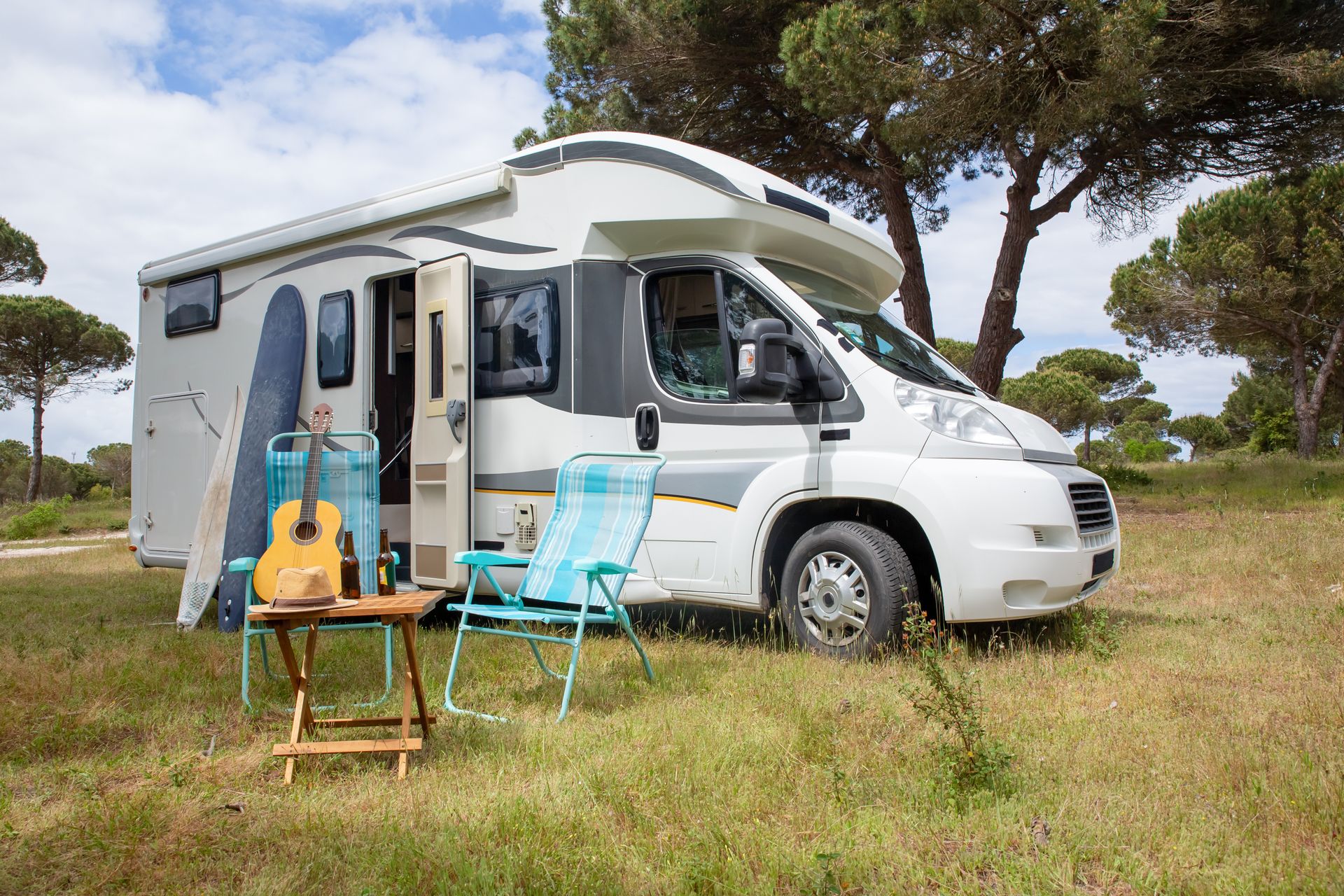
How RV Loans Differ From Car Loans
The terms are much longer
Car loans usually top out around six years. Loans on larger motorhomes and fifth wheels are commonly written for ten years or more.
A longer term makes a big purchase feel affordable each month. It also means you spend far longer paying interest, and far longer owing money on something that is losing value.
Not everything is financed the same way
A motorhome or travel trailer is normally a secured loan against the unit itself. Smaller purchases often are not.
- Motorhomes and trailers: secured, longer terms
- ATVs, side by sides, jet skis: sometimes secured, sometimes a personal loan
- Personal loans: shorter terms, higher rates, no collateral
Ask which structure applies before you compare offers, because you may not be comparing like with like.
Down payments are usually larger
Lenders typically want more money down on recreational vehicles than on cars, often in the range of ten to twenty percent.
That is not an obstacle so much as protection. A larger down payment is the main thing standing between you and owing more than the unit is worth.
Rates move with the wider economy
The RV market is unusually sensitive to interest rates. A Ball State economist has described the industry as an economic bellwether, because RV sales react quickly when rates rise or consumer confidence drops.
For a buyer, that means timing matters more here than on most purchases. It also means locking a rate is worth more than it might seem.
The Depreciation Trap
This is the single most expensive mistake in recreational financing, and it is caused by the two features above working together.
A new RV loses value fastest in its first few years. A long loan pays down principal slowly in those same years. The value falls faster than the balance does.
The longer the term, the longer you spend owing more than the unit could sell for.
That gap matters the moment life changes. If you need to sell, trade, or the unit is totaled, you are responsible for the difference between what it is worth and what you still owe.
Three ways to stay ahead of it
Put more down
Take the shortest term you can carry
Consider a used unit
What Term Length Actually Costs You
Three ways to stay ahead of it
| Monthly payment | about $701 |
| Payments made | 84 |
| Total paid | about $58,900 |
| Interest | about $13,900 |
Same trailer, same rate, 15 years
| Monthly payment | about $430 |
| Payments made | 180 |
| Total paid | about $77,400 |
| Interest | about $32,400 |
The longer term saves you about $271 a month. It costs you roughly $18,500 more in interest, and it keeps you underwater for most of the loan.
Run your own numbers with our financial calculators before you accept a term at the dealership.
Costs That Are Not the Loan Payment
Insurance
Winter storage
Winterizing and spring prep
Maintenance, tires, and roof
Campgrounds, fuel, and registration
Buying Where They Are Built
- Shop the density. Elkhart County holds an unusual concentration of dealers and manufacturers, which means real comparison shopping without long drives.
- Buy in the off season. Demand for campers in Northern Indiana falls sharply once the weather turns. Inventory sitting through winter is inventory a dealer wants to move.
- Separate the unit from the financing. Dealer financing is convenient and convenience often costs money. Get a rate from your credit union first, then let the dealer try to beat it.
- Get pre-approved before you walk the lot. A number in hand changes the conversation from what payment can you afford to what will you pay for this unit.
- Have used units inspected. An independent inspection on a pre-owned RV costs a fraction of what water damage costs.
Common Financing Mistakes
- Shopping by monthly payment instead of total cost
- Taking the longest term offered because the payment looks comfortable
- Skipping the down payment and starting the loan underwater
- Forgetting storage and insurance when setting a budget
- Accepting dealer financing without a competing quote
- Financing add ons and warranties into a fifteen year loan
- Buying more unit than you will use in a short Midwest season


